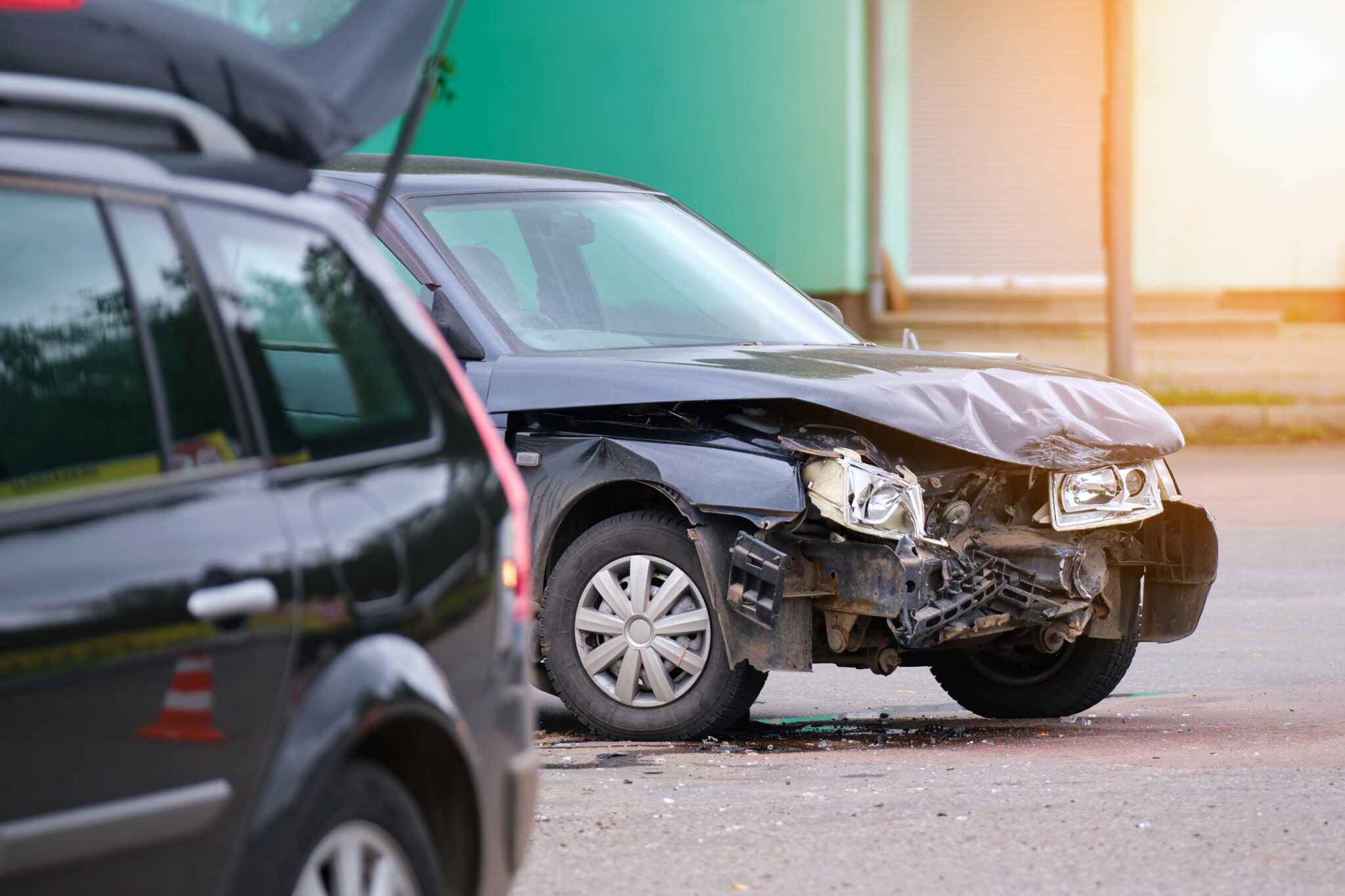
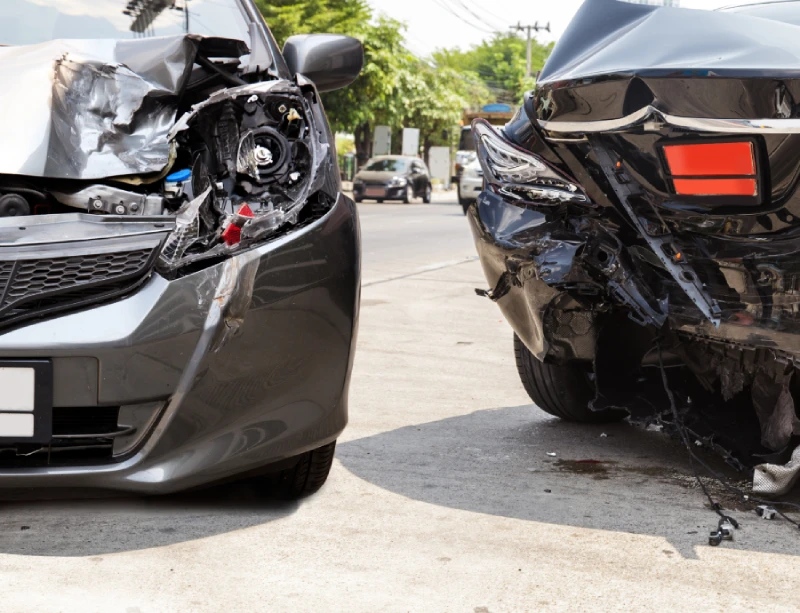

A failure to yield accident occurs when a driver doesn’t slow down or stop when required to allow other drivers, pedestrians, or bicyclists with the right-of-way to travel safely when it’s their turn. These accidents are common at busy intersections and highway merge points and often lead to confusion over who is to blame.
If you’ve been hurt because another driver has failed to yield, you have legal rights. However, you’ll likely need help from a Virginia car accident lawyer to navigate the justice system and enforce those rights. At Cooper Hurley Injury Lawyers, we are known as The Car Crash Experts because we’ve spent decades fighting for injured victims and recovering millions for them. We know Virginia’s laws inside and out, and are prepared to put that knowledge to work on your case. Get your free consultation now by contacting us online or calling (757) 333-3333.
What Is a Failure to Yield Accident?
When a driver, bicyclist, or pedestrian has the right-of-way under Virginia’s traffic laws, this means that individual has legal authority to enter the road or intersection, or to cross the street. If another driver fails to recognize that right, a collision can result. The driver who failed to yield can be held accountable for any harm resulting from the crash.
Failure to yield constitutes a reckless driving offense under Virginia law. Under Virginia Code § 46.2-863, a failure to yield occurs when a driver does not bring a vehicle to a stop immediately before entering a highway from a side road when traffic is approaching within 500 feet of the entrance. Meanwhile, Virginia Code § 46.2-829 requires drivers to yield to rescue vehicles such as police or fire trucks.
Common Reasons for Failure to Yield Accidents
Failure to yield accidents can result from a wide range of causes, including the following:
- Unsafe left turns: A driver cannot turn left into oncoming traffic until the road is clear.
- Failure to stop at a stop sign: Drivers must stop completely at stop signs to allow the vehicle with the right-of-way to progress. At a four-way stop, the first vehicle to come to a complete stop usually has the right to proceed.
- Entering an intersection unsafely: Drivers can’t enter an intersection unless the road is clear or they’re following traffic signals.
- Merging or pulling out into traffic: When leaving a parking lot or driveway, or if there is a yield sign, drivers must allow oncoming traffic to pass and wait until they have a clear opening.
- Failure to stop at a crosswalk: If a pedestrian has the right to proceed in a crosswalk, cars must yield.
- Failure to yield to emergency vehicles: Drivers must move over or stop when emergency vehicles use their sirens and lights.
Who Is at Fault in a Failure to Yield Accident?
Virginia is an at-fault state for car accidents, meaning accident victims can sue the responsible party to recover damages. Therefore, it is important to determine who is to blame. Usually, the driver who fails to yield is at fault, but that’s not always the case, as every motorist has a duty to exercise reasonable care and obey the rules of the road.
Multiple factors can impact liability, including whether either motorist was speeding or distracted, whether traffic signals or signs were ignored, whether road and weather conditions contributed to the crash, or whether those involved took reasonable steps to avoid the accident.
How Right-of-Way Laws Affect Fault
Right-of-way laws govern the flow of traffic and how drivers are expected to act under the circumstances. These laws affect liability by helping determine who is to blame.
For example, because drivers must yield to emergency vehicles, a driver who fails to move out of the way hasn’t complied with the state’s right-of-way law. In another scenario, Virginia law provides that oncoming traffic going straight has the right-of-way over vehicles turning left at an intersection. The failure to observe the right-of-way in either circumstance generally constitutes negligence.
Can More Than One Person Be at Fault?
In some situations, multiple parties may be at fault for a right-of-way accident. For example, one driver may have had an obligation to yield, while another may have been speeding. If both the failure to yield and speeding were contributing factors, both parties share the blame for the resulting crash.
Many states have comparative negligence laws that allow victims to still pursue compensation even when they share fault for an accident. For example, if another driver was 60% at fault for your accident, you could pursue a claim to recover 60% of damages.
However, Virginia is one of a very small number of U.S. states that has a contributory negligence law, barring accident victims who share any fault for an accident from recovering compensation. Under this law, if you’re even 1% responsible for an accident, you cannot collect any compensation from the other motorist.
While contributory negligence rules make it harder to take legal action, an experienced legal advocate at Cooper Hurley Injury Lawyers can help you prove liability and maximize your chances of recovery—even with the added challenges.
What You Need to Prove in a Failure to Yield Claim
You must prove the following key elements to recover compensation in a failure-to-yield claim:
- The driver owed you a duty or obligation: Under Virginia law, all drivers have a legal duty to operate their vehicles safely and follow the rules of the road.
- The driver breached the duty: A breach of duty, or negligence, occurs when a driver fails to operate their vehicle as a reasonable person would. A violation of safety rules, like right-of-way laws, creates a presumption of negligence.
- The breach of duty was the direct cause of the accident: The negligence directly caused your accident.
- You suffered damages due to the breach: You must have sustained compensable damages.
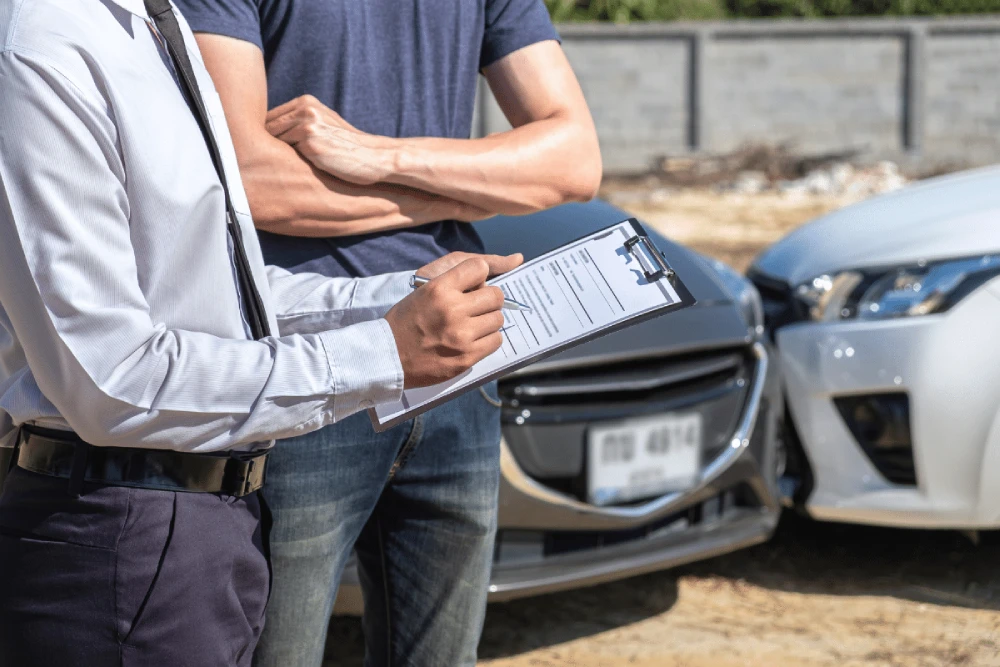
Police reports, witness statements, photos from the crash scene, traffic camera footage, and the testimony of accident reconstruction specialists can all help you prove fault in a failure to yield claim.
How to Reduce Your Risk of a Failure to Yield Accident
Many failure-to-yield accidents are preventable if drivers exercise caution on the road. You can reduce the risk of becoming involved in this type of collision by taking the following steps:
- Always come to a complete stop at stop signs.
- Scan intersections actively in all directions before proceeding.
- Yield to the flow of traffic when entering a highway or merging lanes.
- Drive defensively and anticipate others’ actions.
- Reduce your speed in heavy traffic or at intersections so you’ll have more time to react.
Ultimately, exercising reasonable care can often help keep you and others safe. However, if a negligent motorist creates a dangerous situation, you are still at risk. When this happens, get the legal help you need to hold the at-fault driver liable for your losses.
How a Lawyer Can Help After a Failure to Yield Accident
You can take certain steps after a car accident in Virginia to protect your rights and preserve your claims. You should always stop after a crash, obtain the other driver’s contact details and insurance information, get any witnesses’ contact details, report the accident to the police, gather any available evidence, and get immediate medical attention. Meanwhile, certain actions, like leaving the scene of an accident, could get you in trouble with the law.
It’s critical to speak with an experienced Virginia car accident lawyer after a failure-to-yield accident. But, you don’t just want any lawyer; you need an attorney with the right experience. Cooper Hurley Injury Lawyers is the place to turn.
Our experienced attorneys are known as The Car Crash Experts since we wrote the book on Virginia crashes. With more than 120 combined years of experience, our firm has recovered millions for clients, including the fifth-largest settlement in Virginia last year. We know the laws inside and out and will do the following for you:
- Investigate to determine the cause of the accident.
- Identify those responsible.
- Gather evidence.
- Build a strong claim.
- Negotiate with insurers who often try to pay you as little as possible.
- Fight for you in court to pursue full compensation when no settlement can be reached.
Our firm only represents injured victims, and we truly care about helping you get the justice you deserve.
Speak With a Failure to Yield Accident Lawyer Today
Cooper Hurley Injury Lawyers is the place to turn after a failure to yield accident. Contact us online or call (757) 333-3333 for a free consultation to learn how we can fight for you.